Introduction
The Middle East has become an important destination for international exhibitions, industry events and business networking. Cities such as Dubai and Riyadh attract companies looking to introduce products, build partnerships and connect with new audiences. However, exhibiting in these markets requires more than transporting a booth and displaying a company logo.
Successful Middle East exhibition stands need to reflect local audiences, venue requirements, technical rules and event schedules. A design that works at one exhibition may need adjustments before it can be installed at another venue.
Dubai and Riyadh offer different exhibition environments, but both require careful planning, reliable suppliers and coordinated installation. Understanding these factors early helps businesses manage costs, avoid last-minute problems and create a professional visitor experience.
1. Understand the Exhibition Market in Dubai and Riyadh
Dubai and Riyadh are two important exhibition destinations in the Middle East, but exhibitors should not assume that the same approach will work equally well in both cities.
Exhibiting in Dubai
Dubai hosts international trade shows across sectors such as technology, construction, healthcare, aviation, hospitality and consumer products. Its international visitor base makes clear branding, product demonstrations and comfortable meeting areas valuable parts of exhibition stand planning.
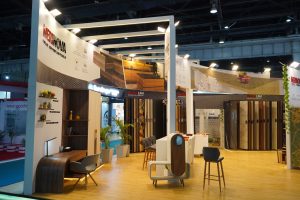
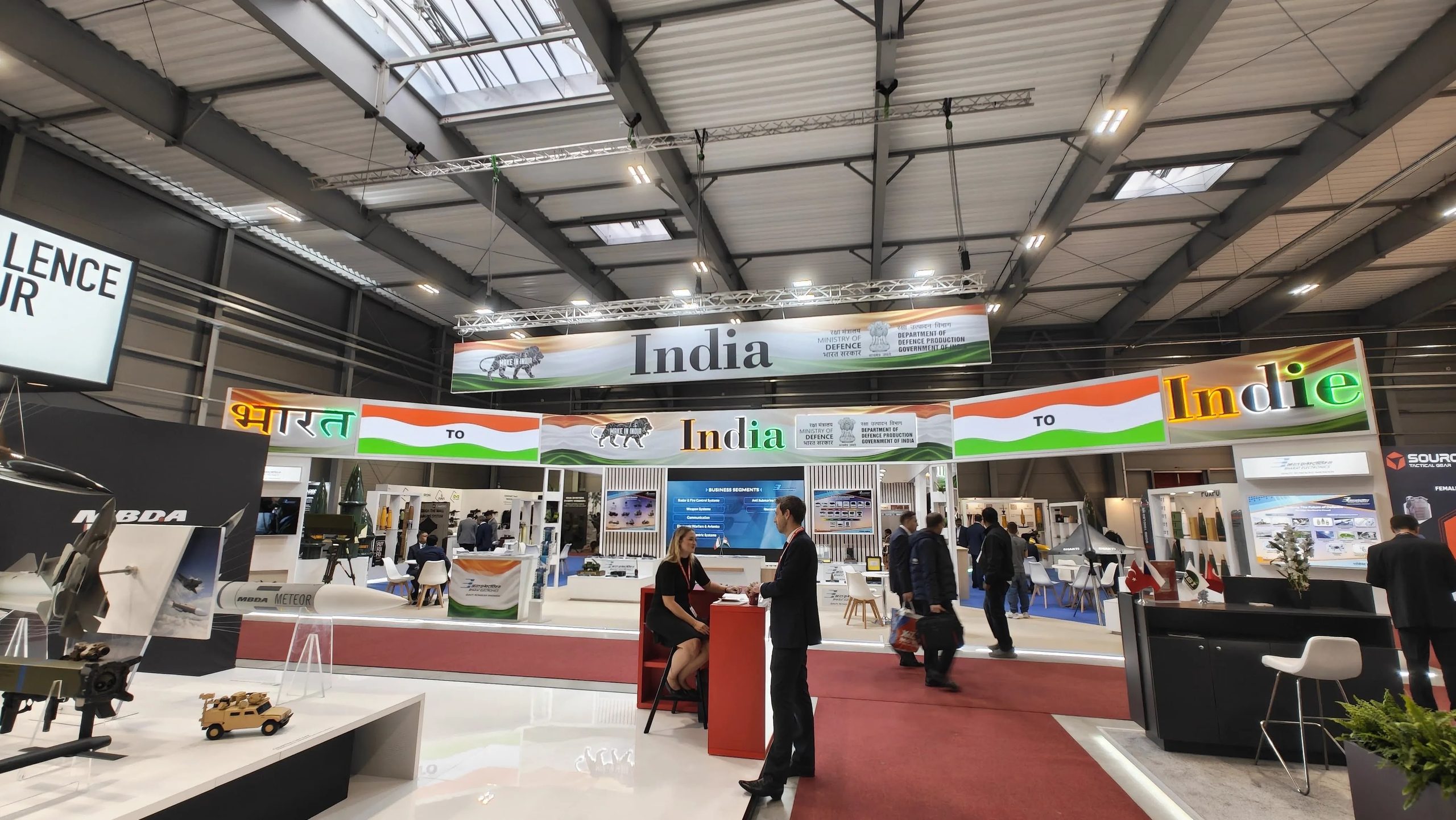
Well-planned Middle East exhibition stands help international brands present their products professionally while creating comfortable spaces for business meetings and visitor engagement.
When preparing for Dubai, consider:
- The event’s exhibitor profile and expected international audience.
- The venue’s technical guidelines and stand approval process.
- Access for deliveries, contractors and installation teams.
- Requirements for lighting, suspended structures and electrical services.
- Opportunities to use digital displays and interactive demonstrations.
Exhibiting in Riyadh
Riyadh is an important destination for business events and exhibitions serving the Saudi Arabian market. Exhibitors should plan for the specific audience, industry, venue and organiser requirements of each event.
Companies planning Middle East exhibition stands in Riyadh should consider local audience expectations, venue requirements and installation schedules before approving the final design.
Consider these factors:
- Local business expectations and audience preferences.
- The event’s official exhibitor manual and contractor registration process.
- Stand construction, safety documentation and technical approvals.
- Crew access, delivery arrangements and build-up schedules.
- Arabic and English brand communication where appropriate.
The key is to plan each exhibition around its actual audience and venue rather than simply reusing a previous design without checking the requirements.
2. Design a Stand That Fits the Local Audience
A successful exhibition stand should communicate the brand clearly while making visitors feel comfortable entering and exploring the space.
Effective Middle East exhibition stands combine strong brand visibility, practical visitor areas and clear product communication.
For Middle East exhibition stands, the design should balance international brand standards with local audience expectations.
Consider including:
- Clear branding: Make the company name, products and main message easy to recognise.
- Welcoming reception areas: Create an obvious point where visitors can approach the team.
- Private meeting spaces: Include suitable areas for business discussions when the event requires them.
- Product demonstration zones: Give visitors enough room to understand and interact with products.
- Digital displays: Use LED screens and interactive content where they support the exhibition objectives.
- Comfortable visitor areas: Choose furniture, lighting and circulation routes that support the intended visitor experience.
Avoid adding design features simply because they look impressive. Every element should support a business objective, visitor interaction or product presentation.
3. Check Venue Rules Before Finalising the Stand Design
One of the most important steps in exhibition planning is checking the venue and organiser’s technical requirements before fabrication begins.
Dubai World Trade Centre publishes health and safety requirements covering stand design and construction. Depending on the stand type, structural details and approvals may be required before work can begin.
Riyadh venues also have their own operating requirements. Riyadh Front’s operations guidance, for example, addresses matters such as worker safety, electrical work, access and approved construction heights.
Before approving a design, confirm:
- Maximum permitted stand height and dimensions.
- Structural approval requirements for custom or multi-level stands.
- Rules for suspended signs, lighting and rigging.
- Fire-safety documentation and approved construction materials.
- Accessibility and emergency access arrangements.
- Electrical, internet and other technical service requirements.
- Contractor registration and insurance documentation.
Important: Requirements are not identical across all venues or events. Always follow the latest exhibitor manual and written instructions issued for the specific exhibition. Do not rely on an old manual or assume that approval at one venue automatically applies at another.
4. Plan Stand Construction and Local Supplier Coordination
Choosing the right stand construction partner can make a significant difference to the quality and reliability of an exhibition project.
For an event in Dubai or Riyadh, establish who is responsible for design, fabrication, transport, installation, technical coordination and dismantling.
A useful supplier evaluation process includes:
- Review previous exhibition projects and relevant experience.
- Confirm the supplier’s understanding of the selected venue.
- Request detailed drawings, specifications and a project schedule.
- Check who will prepare and submit technical documents.
- Confirm material specifications and safety documentation.
- Agree on installation supervision and on-site communication.
- Clarify dismantling, transport and storage responsibilities.
Ask for an itemised quotation that separates design, fabrication, graphics, furniture, electrical services, transport, installation and dismantling.
This makes it easier to compare proposals and identify costs that may not be included in the initial quotation.
5. Manage Shipping, Transport and Exhibition Logistics
Transport planning is especially important when exhibition components need to move between countries or different cities.
A project schedule should account for production completion, packing, transport, customs requirements where applicable, venue delivery slots and installation.
Logistics planning is essential for Middle East exhibition stands because delivery schedules, customs procedures and venue access can affect installation.
For international shipments, confirm the appropriate customs procedure and documentation with a qualified freight forwarder before dispatch. Do not assume that temporary exhibition materials automatically qualify for duty-free entry.
Useful logistics planning steps include:
- Prepare a complete packing and component inventory.
- Identify oversized, fragile or high-value items.
- Confirm transport routes and delivery responsibilities.
- Check customs requirements for the origin and destination.
- Book venue delivery and vehicle access slots.
- Allow contingency time for inspections or delays.
- Prepare a backup plan for essential graphics and technical equipment.
For projects covering Dubai and Riyadh, confirm whether components will be fabricated locally, transported between locations or sourced separately in each market. The best approach depends on the design, schedule, budget and reuse plan.
6. Work Backwards from the Build-Up Schedule
Exhibition installation periods can be limited. Delays in design approval, fabrication or delivery can quickly affect the entire project.
Start by collecting the official event dates and working backwards from the first permitted installation day.
A practical planning sequence is:
- Initial planning: Confirm the event, audience, objectives, stand size and budget.
- Design development: Prepare the concept, layout, 3D visuals and technical specifications.
- Approval stage: Submit the required drawings and documents by the organiser’s deadline.
- Production: Fabricate the structure, prepare graphics and test equipment.
- Transport: Arrange delivery, customs documentation where required and venue access.
- Build-up: Install the stand, check services and complete safety inspections.
- Show days: Keep the stand clean, staffed and operational.
- Dismantling: Remove materials within the permitted window and organise returns or storage.
Build-up and dismantling dates are event-specific. Never use a schedule from a previous exhibition as confirmation of the current event’s access times.
7. Create a Consistent Brand Experience Across Both Markets
Companies exhibiting in Dubai and Riyadh may want to maintain a consistent global identity while adapting communication and visitor experiences to each market.
Consistent Middle East exhibition stands allow businesses to maintain their global identity while adapting their presentation to each market.
A useful approach is to keep the core brand elements consistent and localise the details that influence understanding and engagement.
For example:
- Maintain consistent brand colours, logos and visual standards.
- Review Arabic and English copy for accuracy and readability.
- Adapt product messaging to the audience and industry.
- Use relevant product demonstrations and case studies.
- Train booth staff to handle common visitor questions.
- Provide clear meeting and lead-capture processes.
The goal is not to create two completely different brands. It is to make the same brand relevant and accessible in each exhibition environment.
Common Mistakes to Avoid When Exhibiting in Dubai and Riyadh
Even well-planned exhibition projects can face avoidable problems. Watch out for these common mistakes:
- Using the same stand design everywhere: Check the new venue’s dimensions, regulations and audience requirements.
- Submitting drawings too late: Allow time for organiser and venue review.
- Ignoring local technical requirements: Confirm safety, electrical, rigging and structural rules before production.
- Underestimating logistics: Include delivery, access, customs and contingency time in the schedule.
- Overlooking language and communication: Review all visitor-facing content for the intended audience.
- Choosing suppliers on price alone: Evaluate experience, documentation, project management and installation support.
- Leaving dismantling arrangements until the end: Agree on collection, transport and storage before the event opens.
Dubai and Riyadh Exhibition Planning Checklist
Use this checklist before confirming your project:
- Confirm the exhibition, venue and event dates.
- Review the latest exhibitor manual.
- Define the target audience and exhibition objectives.
- Confirm stand dimensions, height limits and technical restrictions.
- Prepare the design, drawings and required approvals.
- Select qualified suppliers and confirm responsibilities.
- Finalise the budget and itemised quotation.
- Arrange transport, customs checks and delivery access.
- Confirm installation and dismantling schedules.
- Prepare localised graphics and visitor communication.
- Test lighting, screens, internet and demonstration equipment.
- Plan lead capture, staffing and post-show follow-up.
How XS Worldwide Supports Exhibition Projects
Managing an exhibition in a new market requires coordination across design, production, logistics and on-site execution. A structured project approach helps businesses maintain brand consistency while responding to the requirements of each event.
XS Worldwide supports exhibition and experiential marketing projects through planning, stand design coordination and exhibition-related services. Explore our experiential marketing services to learn more about creating engaging brand experiences.
Businesses can also explore trade show lead intelligence to understand how visitor interactions can contribute to better lead management and follow-up.
Frequently Asked Questions
What should companies consider before exhibiting in Dubai?
Companies should review the event’s exhibitor manual, venue regulations, stand dimensions, approval deadlines, contractor requirements, logistics and visitor objectives before finalising their stand design.
What should companies know before exhibiting in Riyadh?
Exhibitors should understand the local event audience, confirm venue-specific technical requirements, register contractors where required and plan installation, delivery and dismantling around the organiser’s schedule.
Can the same exhibition stand be used in Dubai and Riyadh?
Yes, in some cases. A modular or reusable stand can be adapted for multiple events, provided its dimensions, structural design, technical specifications and graphics meet the requirements of each venue.
When should exhibition stand planning begin?
Begin as early as possible after confirming the event. Custom designs require time for concept development, approvals, fabrication, logistics and installation. Work backwards from the official build-up date rather than relying on a fixed lead time for every event.
Why is local supplier coordination important?
Local coordination can help with venue procedures, contractor access, technical services, installation schedules and communication. The supplier’s responsibilities should be clearly agreed before the project begins.
Conclusion
Exhibiting in Dubai and Riyadh offers businesses opportunities to connect with audiences across important Middle East markets. However, successful participation depends on more than an attractive booth. It requires suitable design, venue compliance, reliable supplier coordination, careful logistics and a well-planned installation schedule.
By adapting each project to its specific venue and audience while maintaining consistent brand standards, companies can create professional exhibition experiences and make better use of their event investment.