
Introduction
In the competitive arena of trade show exhibits, creating a memorable experience for attendees is paramount. While traditional design elements such as layout and visuals play a crucial role, sensory design takes the experience to a whole new level.
By engaging multiple senses, sensory design helps brands create immersive environments that captivate and leave a lasting impression. This article explores how sensory design can transform trade show booths and create unforgettable experiences for attendees.
Understanding Sensory Design:
Sensory design involves the strategic use of elements that engage the five senses: sight, sound, touch, smell, and taste. By appealing to these senses, brands can create multi-dimensional experiences that resonate more deeply with attendees. Here’s how each sense can be integrated into trade show booth design:
Sight: Visual Impact
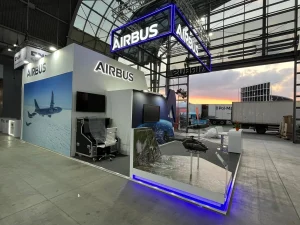
Visual elements are often the first point of engagement at a trade show booth. Effective use of color, lighting, and visual displays can draw attendees in and convey the brand’s message instantly.
1. Dynamic Displays:
Incorporate high-resolution screens and dynamic video content to capture attention and convey key messages. Interactive screens can also engage visitors and provide information in an engaging format.
2. Strategic Lighting:
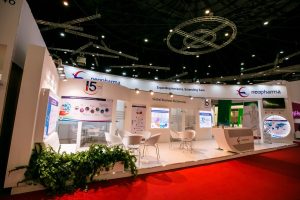
Use lighting to highlight key areas of your booth and create an inviting atmosphere. Different lighting techniques can evoke various emotions and set the tone for your brand’s presentation.
3. Brand Consistency:
Ensure that all visual elements, from signage to booth graphics, are consistent with your brand’s identity. This creates a cohesive and professional appearance that reinforces brand recognition.
Sound: Auditory Engagement
Sound can significantly enhance the trade show experience by adding an auditory dimension to the visual elements. Carefully selected audio can create ambiance, attract attention, and reinforce your brand message.
1. Background Music:
Use background music to set the mood and create a welcoming atmosphere. The choice of music should align with your brand’s personality and the overall theme of your booth.
2. Sound Effects:
Incorporate sound effects to draw attention to specific areas or highlight important features of your products. Subtle sounds can add depth to interactive displays and enhance the overall experience.
3. Live Demonstrations:
Consider having live presentations or demonstrations with spoken commentary to engage visitors. A charismatic presenter can effectively communicate your brand’s story and interact with the audience.
Touch: Tactile Interaction
Tactile elements encourage attendees to interact physically with your booth, creating a hands-on experience that can leave a lasting impression.
1. Interactive Displays:
Incorporate touch screens, product samples, and interactive elements that invite attendees to engage directly with your products. This hands-on approach can increase interest and retention.
2. Textured Materials:
Use a variety of textures in your booth design to create a rich tactile environment. From soft fabrics to sleek surfaces, different materials can evoke different sensations and enhance the sensory experience.
3. Demonstration Stations:
Set up areas where attendees can try out your products or participate in activities. This direct interaction helps to build a deeper connection with your brand.
Smell: Olfactory Stimulation
The sense of smell is closely linked to memory and emotion, making it a powerful tool for creating memorable experiences.
1. Signature Scents:
Consider using a signature scent that aligns with your brand and enhances the atmosphere of your booth. This scent can become associated with your brand, creating a lasting impression.
2. Product Scents:
If your products have a distinctive smell, make sure they are easily accessible for attendees to experience. For example, a food company could allow visitors to sample aromas from their product line.
3. Ambient Scents:
Use ambient scents to create a specific mood or evoke certain feelings. Scents such as fresh citrus can energize the space, while lavender can create a calming effect.
Taste: Gustatory Delight
Engaging the sense of taste can be particularly impactful for food and beverage brands, but it can also be creatively incorporated by other industries.
1. Sampling Stations:
Offer samples of your products for attendees to taste. This not only attracts visitors to your booth but also provides a direct sensory experience of your offerings.
2. Themed Refreshments:
Provide themed refreshments that tie into your brand’s story or the theme of the event. This adds an element of surprise and delight, enhancing the overall experience.
3. Branded Treats:
Consider offering branded treats or snacks that attendees can take away. These small gestures can leave a big impression and keep your brand top-of-mind long after the event.
Conclusion
Sensory design is a powerful approach to creating memorable trade show experiences. By engaging multiple senses, brands can create immersive environments that captivate and resonate with attendees on a deeper level.
Whether through visual impact, auditory engagement, tactile interaction, olfactory stimulation, or gustatory delight, sensory design transforms traditional booth setups into dynamic, multi-sensory experiences. Embrace the potential of sensory design to elevate your trade show presence and leave a lasting impression on your audience.