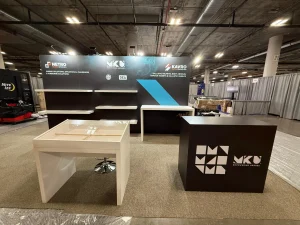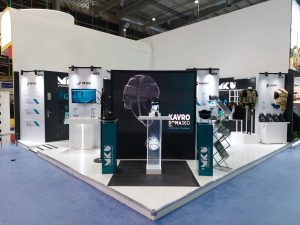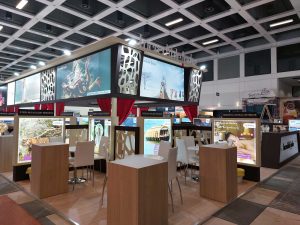

Introduction
The medical technology industry is at the forefront of innovation, driving advancements that improve patient care, diagnosis, and treatment. Exhibiting at trade shows offers medical tech companies a unique opportunity to showcase their cutting-edge products and solutions to a targeted audience of healthcare professionals, investors, and decision-makers.
Designing an exhibition booth that effectively communicates the sophistication and impact of medical technology requires a strategic approach that combines aesthetics, functionality, and interactive elements. This article explores best practices for creating an engaging and impactful exhibition booth for medical technology companies.
Understanding the Audience:
The primary audience for medical technology exhibitions includes healthcare professionals, hospital administrators, researchers, and potential investors. To design a booth that resonates with these groups, it’s essential to understand their needs and interests:
1. Healthcare Professionals:
They seek innovations that can improve patient outcomes, streamline workflows, and enhance diagnostic accuracy.
2. Hospital Administrators:
They are interested in technologies that can reduce costs, increase efficiency, and integrate seamlessly with existing systems.
3. Researchers:
They look for cutting-edge advancements and potential collaboration opportunities.
4. Investors:
They want to see the market potential, scalability, and ROI of the technologies on display.
Key Elements of Effective Booth Design
1. Clear Messaging and Branding
a. Consistent Branding:
Ensure that your booth design aligns with your brand’s identity. Use consistent colors, logos, and messaging across all booth elements.
b. Clear Value Proposition:
Clearly communicate the unique benefits and value of your technology. Use concise and impactful messaging to grab attention and convey key information quickly.
2. Engaging Visuals
a. High-Quality Graphics:
Use high-resolution images, infographics, and videos to visually represent your technology. Highlight key features, benefits, and real-world applications.
b. Interactive Displays:
Incorporate touchscreens, 3D models, and virtual reality (VR) or augmented reality (AR) experiences to allow visitors to interact with your technology.
3. Live Demonstrations
a. Product Demos:
Conduct live demonstrations to showcase the functionality and effectiveness of your technology. Use real-time data and patient scenarios to illustrate its impact.
b. Expert Presentations:
Schedule presentations and Q&A sessions with experts, such as engineers, doctors, or researchers, to provide deeper insights into your technology.
4. Functional Design
a. Open Layout:
Design an open and inviting layout that encourages visitors to enter and explore. Avoid clutter and ensure easy navigation.
b. Private Meeting Areas:
Include private meeting spaces for confidential discussions with potential clients, partners, or investors.
5. Technology Integration
a. Digital Signage:
Use digital displays to showcase videos, animations, and live feeds. This can dynamically convey complex information in an engaging manner.
b. Connectivity:
Ensure strong Wi-Fi connectivity and provide charging stations for visitors’ devices. Consider offering digital brochures and materials that can be easily downloaded.
Creating a Memorable Experience
1. Personalization
a. Tailored Interactions:
Use data and analytics to personalize interactions. For example, collect visitor information through pre-show registrations and tailor your presentations to their interests.
b. Follow-Up:
Ensure a seamless follow-up process by collecting contact information and providing personalized post-show communications.
2. Storytelling
a. Patient Stories:
Use patient stories and case studies to illustrate the real-world impact of your technology. This emotional connection can be powerful and persuasive.
b. Innovation Journey:
Tell the story of your innovation journey, highlighting the research, development, and breakthroughs that led to your current technology.
3. Sustainability
a. Eco-Friendly Materials:
Use sustainable materials for booth construction and design. Highlight your company’s commitment to sustainability.
b. Green Initiatives:
Showcase any green initiatives or environmentally-friendly aspects of your technology, such as energy efficiency or waste reduction.
Conclusion
Designing an exhibition booth for medical technology requires a careful balance of aesthetics, functionality, and interactivity. By understanding the needs and interests of your audience, creating clear and engaging visuals, and incorporating live demonstrations and personalized interactions, you can create a booth that effectively showcases your innovations and leaves a lasting impression. As the medical technology industry continues to evolve, staying ahead with innovative booth designs will be key to standing out and achieving success at trade shows.