Introduction
Exhibiting in international markets creates opportunities to connect with new customers, distributors, partners, and industry professionals. However, a stand that communicates effectively in one country may not deliver the same experience in another.
The reason is simple: visitors do not all interpret language, measurements, visuals, colours, or product information in the same way. A message that feels clear and familiar to one audience may be confusing or less relevant to another.
This is why exhibition content localization matters. It involves adapting the information and experience presented at an exhibition stand to suit the expectations of the target market. Translation is an important part of the process, but successful localization also considers measurement systems, cultural references, local terminology, visual communication, and visitor behaviour.
For brands participating in exhibitions across the United States, Europe, Asia, and other regions, these details can influence how visitors understand products and interact with the business.
Here are seven important areas to consider when preparing exhibition content for international audiences.
1. Adapt Exhibition Graphics to Local Languages
Language is often the first part of exhibition content that brands consider when entering a new market. However, translating a headline or product description word for word is not always enough.
Exhibition content localization helps brands communicate their product messages clearly to visitors across different language markets.
The content should communicate the same meaning, tone, and value proposition in the target language.
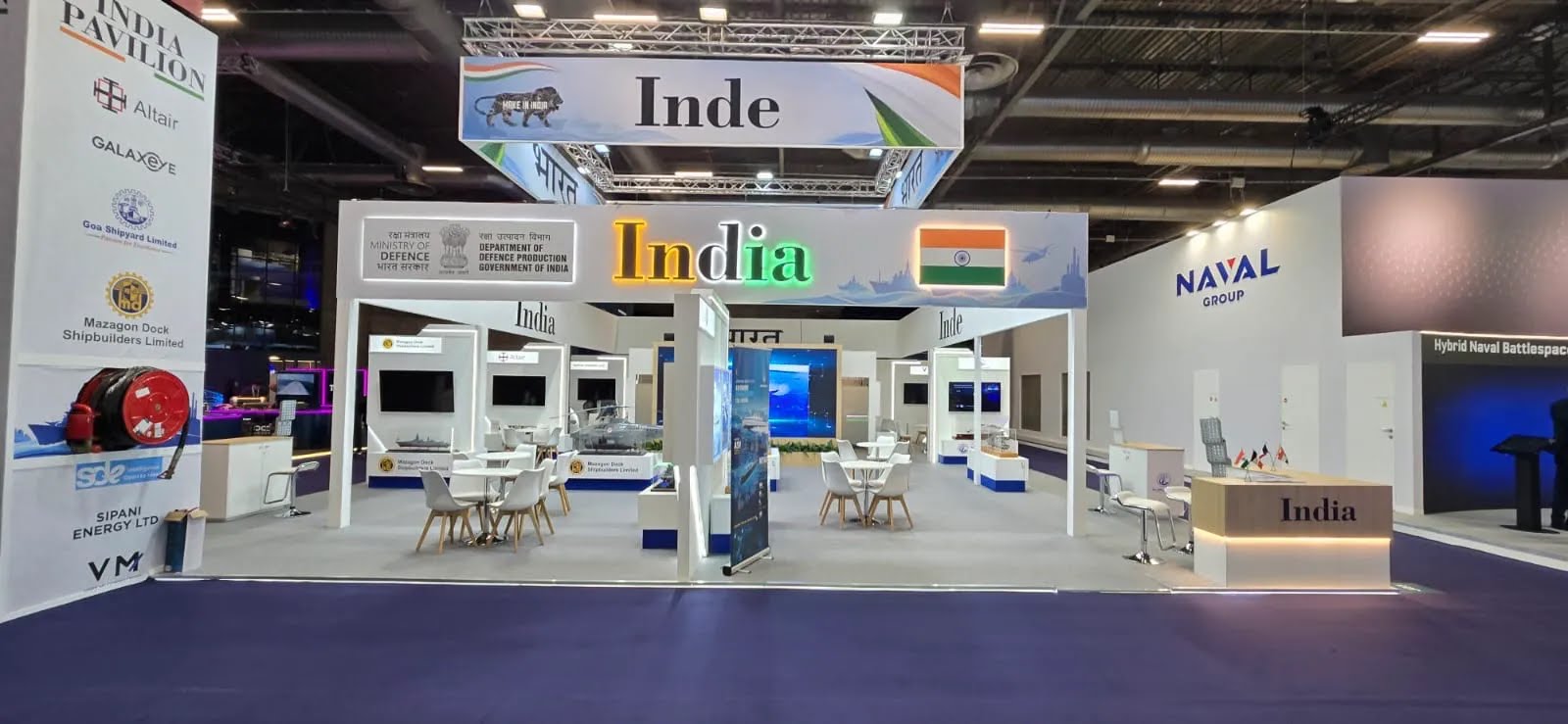
For example, an exhibitor attending a German industry event may need German-language product information, while a stand at an international exhibition in France may benefit from French headlines and supporting materials.
Consider these practical steps:
- Translate important headlines, product descriptions, and calls to action.
- Use terminology that is familiar to the local industry.
- Keep technical specifications accurate and consistent.
- Have a native-language reviewer check important content.
- Make sure translated text fits the available graphic space.
- Provide additional language options where the visitor audience is multilingual.
Translated text can become longer or shorter than the original. A headline that fits perfectly in English may need more space in another language.
For more guidance on adapting digital content for different markets, explore Microsoft’s localization guidelines.
Plan graphic layouts with enough flexibility to accommodate these differences without reducing readability.
2. Use the Right Measurement System
Measurements are particularly important for exhibitors showcasing industrial equipment, manufacturing solutions, construction products, machinery, furniture, and technical components.
Effective exhibition content localization also requires adapting measurements and technical specifications to the expectations of the local audience.
Different markets commonly use different measurement conventions. For example, the United States generally uses customary units such as inches, feet, and pounds, while many other markets use the metric system, including millimetres, centimetres, metres, and kilograms.
An exhibition display should make technical information easy for visitors to understand.
For example:
| Information | Metric presentation | US customary presentation |
|---|---|---|
| Length | 2 metres | Approximately 6.56 feet |
| Weight | 50 kilograms | Approximately 110.23 pounds |
| Temperature | 20°C | 68°F |
| Distance | 5 kilometres | Approximately 3.11 miles |
When preparing technical graphics, product labels, and demonstration materials:
- Confirm which measurement system the target audience expects.
- Show both units when the exhibition attracts international visitors.
- Check converted values instead of relying on rough estimates.
- Keep the original technical specification available for reference.
- Ensure product drawings and dimensions remain accurate.
Avoid displaying two different values without clearly identifying their units. Incorrect or ambiguous measurements can create confusion and affect purchasing discussions.
3. Adapt Cultural References, Colours, and Visual Elements
Visual communication plays an important role in how visitors understand an exhibition stand. Images, symbols, colours, gestures, and design references can carry different meanings across markets.
Successful exhibition content localization considers how colours, images, symbols, and visual messages are interpreted in different markets.
A visual that works well in one region may not communicate the intended message elsewhere.
When adapting exhibition content, review:
- Colours: Consider how colour combinations may be interpreted in the target market.
- Images: Choose photographs that are relevant and appropriate for the intended audience.
- Symbols: Check whether icons and gestures are easily understood.
- People and settings: Use visuals that reflect the product, industry, and audience without relying on stereotypes.
- Cultural references: Review local meanings, expressions, and references before using them in stand graphics.
For example, an international brand may use the same corporate identity across several exhibitions while adapting supporting photographs, messages, and campaign graphics for each region.
The goal is not to change the brand’s identity for every event. It is to make the communication more relevant while maintaining consistent brand recognition.
4. Localise Product Information and Technical Terminology
Product information must be understandable, accurate, and relevant to the visitors attending the exhibition.
This is particularly important for businesses presenting engineering products, industrial equipment, technology platforms, medical devices, or specialised services.
A consistent exhibition content localization strategy ensures that product information remains accurate while becoming relevant to local professionals.
A direct translation may not always reflect the terminology used by professionals in the target market.
Before finalising product content:
- Confirm local industry terminology.
- Review product names and technical descriptions.
- Adapt examples to the audience’s business environment.
- Check specifications, certifications, and compliance statements.
- Keep technical diagrams and labels consistent with the translated text.
- Have subject-matter experts review important claims.
For instance, a company presenting manufacturing equipment may need to adapt its technical descriptions for local engineering terminology while keeping product specifications unchanged.
Localising the explanation should never change the underlying technical facts.
5. Consider Local Formats for Dates, Numbers, and Currency
Small formatting differences can have a significant impact on the clarity of exhibition materials.
Dates, numbers, currencies, and time formats vary between regions. A date written as 04/07/2027 may be interpreted as 4 July or April 7, depending on the audience.
The W3C internationalization guidance explains important considerations for adapting web content to different languages and regional conventions.
Exhibition content localization makes visitor instructions, product demonstrations, and calls to action easier to understand.
Currency presentation can also create confusion if the currency code or symbol is unclear.
For international exhibition content, review the following:
| Content type | What to check |
|---|---|
| Dates | Day-month-year or month-day-year conventions |
| Time | 12-hour or 24-hour presentation |
| Numbers | Decimal and thousands separators |
| Currency | Correct symbol and currency code |
| Temperature | Celsius or Fahrenheit |
| Paper and graphic sizes | Appropriate regional print and display specifications |
| Contact details | Local phone number and address presentation |
For example, 1,250.50 and 1.250,50 can represent the same numerical amount in different formatting conventions.
Use clear labels and consistent formatting across brochures, digital displays, product specifications, and presentation materials.
6. Adapt Calls to Action and Visitor Communication
An exhibition stand is not just a place to display information. It is an environment where visitors are encouraged to ask questions, explore products, attend demonstrations, and start business conversations.
Calls to action should therefore be adapted to the audience and the purpose of the event.
Consider these examples:
- Invite visitors to book a product demonstration.
- Provide a local-language QR code landing page.
- Offer brochures in the languages most relevant to the audience.
- Use clear instructions for product trials or interactive displays.
- Provide contact details for the appropriate regional sales team.
- Make it easy for visitors to request information or schedule a meeting.
The tone of communication also matters. Some audiences may respond better to direct product messaging, while others may expect more detailed technical information before starting a commercial conversation.
Train booth staff to understand the main localised messages and how to explain them consistently.
7. Maintain Brand Consistency Across International Exhibitions
Localisation should make a brand more relevant to a target audience without making it look like a different business at every event.
A consistent brand identity helps visitors recognise the company across exhibitions, marketing materials, and digital channels.
To maintain consistency:
- Keep the main logo and brand identity guidelines consistent.
- Use approved brand colours and typography.
- Maintain consistent product naming.
- Create approved translations for important brand messages.
- Keep technical claims and specifications aligned across markets.
- Review all localised content before production.
A useful approach is to create a central content library containing approved brand messages, product descriptions, translations, graphics, and technical information.
Local marketing teams can then adapt approved content for their exhibitions without creating conflicting versions of the brand message.
A Practical Checklist Before an International Exhibition
Before sending exhibition graphics and marketing materials for production, review this checklist:
- Confirm the target audience and preferred languages.
- Translate and review important exhibition messages.
- Check local technical terminology.
- Confirm metric or customary measurement requirements.
- Review dates, numbers, currency, and time formats.
- Check cultural references, images, colours, and symbols.
- Allow for different text lengths in graphic layouts.
- Adapt QR codes, landing pages, and calls to action.
- Verify technical information and product specifications.
- Obtain final approval from the relevant local and brand teams.
Completing these checks before production can help reduce last-minute artwork changes, printing errors, and communication problems at the event.
How XS Worldwide Supports International Exhibition Experiences
Preparing for an international exhibition requires more than designing a visually appealing stand. The physical environment, graphics, product information, visitor journey, and brand communication should work together.
XS Worldwide helps brands plan exhibition environments that bring together spatial design, brand storytelling, visitor engagement, and end-to-end exhibition delivery.
Through our experiential marketing services, brands can develop exhibition experiences that communicate their value proposition and create meaningful interactions with visitors.
For businesses participating in multiple events and markets, our exhibit program management services can also support a more coordinated approach to exhibition planning and execution.
Whether a brand is preparing for one international event or managing a wider exhibition programme, localised content and consistent brand presentation should be part of the planning process from the beginning.
Frequently Asked Questions
What is exhibition content localization?
Exhibition content localization is the process of adapting stand graphics, product information, marketing messages, measurements, and visitor communication to suit a specific market, language, or cultural context.
Why is localization important for international exhibitions?
It helps visitors understand product information, recognise relevant messages, and interact more comfortably with exhibitors. It can also reduce confusion caused by unfamiliar terminology, measurements, or formats.
Is translation enough for exhibition stand content?
No. Translation changes the language, while localization also considers cultural references, visuals, measurement systems, dates, currency, technical terminology, and local communication preferences.
Should exhibition graphics display metric and imperial measurements?
It depends on the target market and visitor profile. For international audiences, showing both units with clear labels can make technical information easier to understand.
How can brands maintain consistency across different markets?
Brands can use centralised guidelines, approved translations, standardised product descriptions, and a shared library of graphics and technical information. Local teams can then adapt the approved content without changing the core brand identity.
When should exhibition content localization begin?
It should begin during the early planning and design stages, before graphics and printed materials are finalised. This allows time for translation, review, layout adjustments, and local approval.
Conclusion
International exhibitions bring brands into contact with audiences who may have different languages, measurement preferences, cultural expectations, and ways of evaluating products.
Effective exhibition content localization helps bridge these differences. From multilingual graphics and accurate technical measurements to culturally appropriate visuals and clearer calls to action, every detail contributes to the visitor experience.
For exhibitors planning events across multiple markets, the best approach is to combine local relevance with consistent brand communication.
A stand should look like the same brand wherever it appears, while communicating in a way that makes sense to the people visiting it.