Introduction
When businesses participate in international trade shows, maintaining a consistent brand identity becomes essential. Whether exhibiting in the United States, Germany, the UK, or other European markets, every exhibition stand should communicate the same brand values, visual identity, and quality.
However, maintaining consistency across different countries can be challenging. Local venue requirements, audience expectations, cultural differences, and production standards can influence how an exhibition stand is designed and delivered.
A well-planned global exhibition stand design strategy helps businesses maintain brand recognition while adapting their exhibition presence to different markets.
1. Why Global Exhibition Stand Design Matters
An exhibition stand is more than a physical display. It represents a company’s identity and creates the first impression for potential customers, partners, and industry professionals.
When businesses participate in multiple international exhibitions, inconsistent branding can weaken recognition and create confusion.
Consistent exhibition stand design helps companies:
- Build stronger brand recognition across international markets.
- Maintain a professional and unified appearance.
- Deliver consistent marketing messages.
- Build trust with international customers.
- Create recognizable visitor experiences.
- Strengthen their overall exhibition presence.
A consistent brand presentation allows visitors to recognize a company regardless of where they encounter it.
2. Establish Clear Global Brand Guidelines
The first step toward maintaining brand consistency is developing clear exhibition brand guidelines.
These guidelines should explain how the company’s visual identity must be presented across different exhibition environments.
Important elements include:
Logo Placement: Define approved logo sizes, positions, spacing, and background requirements for exhibition walls, counters, and displays.
Brand Colors: Use consistent color codes across exhibition graphics, furniture, signage, and digital screens.
Typography: Maintain approved fonts and text styles across promotional materials and booth graphics.
Visual Communication: Establish consistent standards for product images, messaging, icons, and digital content.
Centralized brand guidelines help designers, suppliers, and local production teams deliver a recognizable exhibition experience.
3. Adapt Exhibition Stand Design to Local Markets
Global brand consistency does not mean every exhibition stand must look identical.
Different markets have different visitor expectations, venue layouts, cultural preferences, and exhibition regulations.
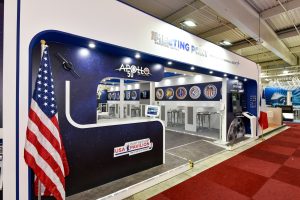
For example, a stand designed for a major US trade show may require a different layout from one created for an exhibition in Germany or the UK.
Businesses should consider:
- Local languages and communication preferences.
- Venue dimensions and technical requirements.
- Visitor movement and interaction patterns.
- Cultural expectations and visual preferences.
- Local safety and installation regulations.
The key is to maintain essential brand elements while adapting the design to local market requirements.
4. Use Modular Exhibition Solutions for Consistency
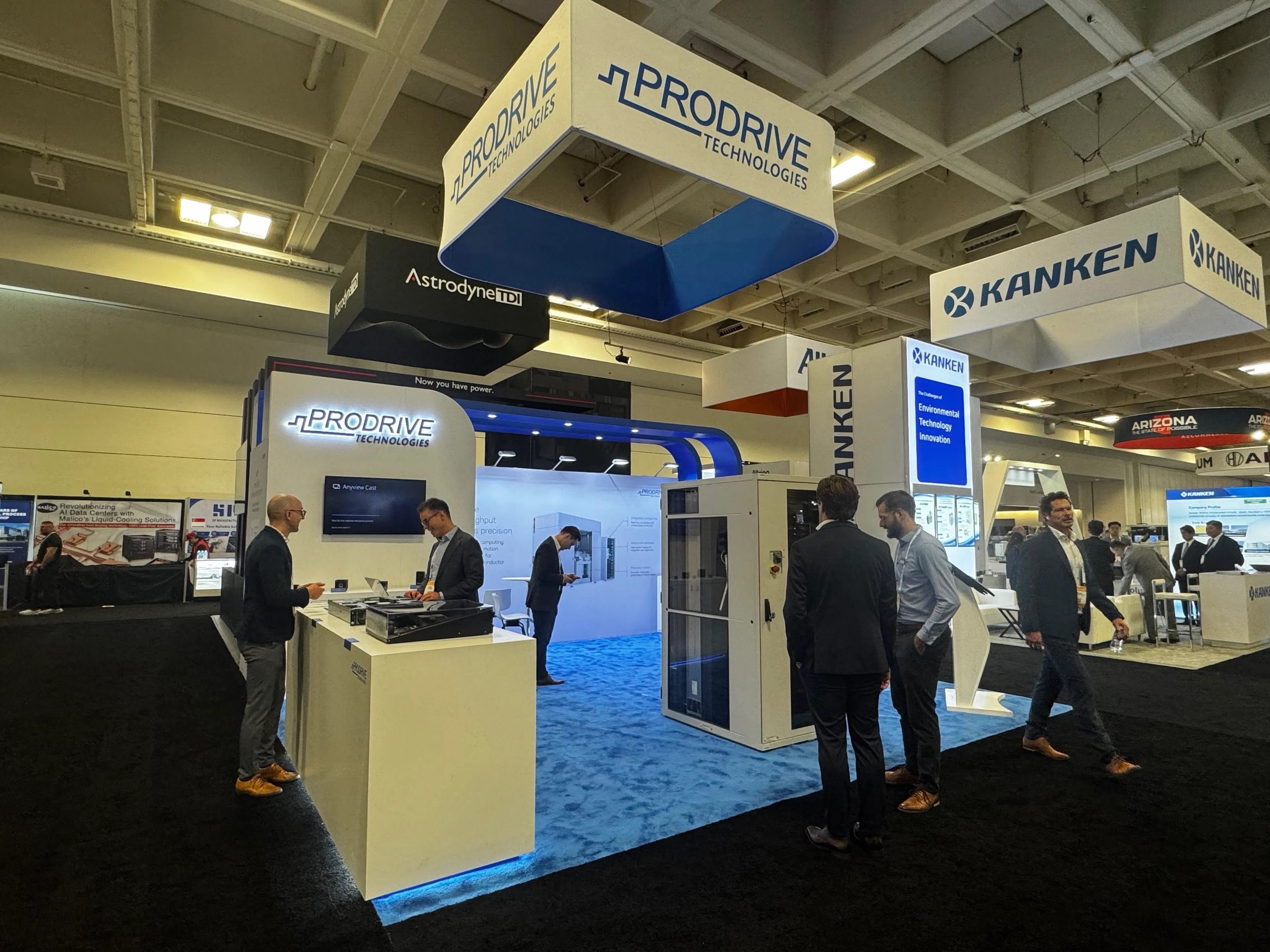
Modular exhibition stand solutions allow businesses to maintain recognizable design elements across multiple international events.
Instead of developing a completely new structure for every exhibition, companies can reuse approved components and adjust configurations according to booth size and venue requirements.
Some important advantages include:
- Reusable structural components.
- Consistent branding across locations.
- Flexible booth configurations.
- Reduced repeated design and production work.
- More efficient exhibition planning.
Combining modular structures with customized graphics, lighting, and product displays allows brands to maintain consistency without making every exhibition stand identical.
5. Maintain Quality Across International Locations
Consistent branding also depends on the quality of exhibition stand execution.
Even when a design is approved centrally, differences in materials, fabrication, finishing, and installation can affect the final result.
Businesses should establish quality standards covering:
- Material selection and finishing.
- Logo placement and graphic accuracy.
- Lighting and electrical installations.
- Structural stability and safety.
- Furniture and product displays.
- Final installation inspections.
Working with experienced exhibition partners and using standardized quality checklists can help businesses maintain professional standards across different locations.
6. Coordinate Global Exhibition Projects Effectively
Managing multiple international exhibitions requires coordination between marketing teams, designers, suppliers, and local execution partners.
A centralized project management process helps ensure that every exhibition follows approved brand guidelines.
Businesses should establish clear design approval procedures, production timelines, communication channels, and installation checklists.
Regular project reviews and post-event evaluations can also help identify improvements for future exhibitions.
For additional industry information, businesses can explore resources from the UFI – The Global Association of the Exhibition Industry.
7. Measure the Success of Your Global Exhibition Strategy
Maintaining brand consistency should be supported by measurable exhibition results.
Businesses should regularly evaluate their exhibition performance across different markets.
Useful performance indicators include:
- Visitor engagement and booth traffic.
- Qualified leads generated.
- Product demonstrations and meeting requests.
- Brand interactions and visitor feedback.
- Cost per qualified lead.
- Consistency of stand execution across locations.
Reviewing these results helps marketing teams identify successful strategies and improve future exhibition investments.
Conclusion: Build a Strong and Consistent Global Exhibition Presence
Maintaining global brand standards requires a balance between consistent branding and local flexibility. Clear guidelines, modular exhibition solutions, centralized coordination, and quality control help businesses create recognizable exhibition experiences across international markets.
For companies participating in trade shows across the United States and Europe, a well-planned global exhibition stand design strategy can strengthen brand recognition and create a professional presence at every event.
At XS Worldwide, we help businesses bring their exhibition ideas to life through exhibition stand design, fabrication, and global project execution. With the right planning and execution, brands can maintain a consistent identity wherever they exhibit.
Frequently Asked Questions
1. What are global brand standards for exhibition stands?
Global brand standards are guidelines that define how a company’s logo, colors, graphics, messaging, and visual identity should appear across exhibitions in different countries.
2. Why is global exhibition stand design important?
Global exhibition stand design helps businesses maintain a consistent brand image, improve recognition, and deliver a professional visitor experience across international markets.
3. How can companies maintain consistent branding across countries?
Companies can establish centralized brand guidelines, use approved design templates, standardize key booth components, coordinate local production teams, and conduct quality inspections.
4. Should exhibition stands look identical in every market?
No. Essential brand elements should remain consistent, but layouts, messaging, and visitor experiences can be adapted to local audiences and venue requirements.
5. How do modular exhibition stands support global branding?
Modular exhibition stands allow companies to reuse approved structural components and adjust booth configurations for different venues while maintaining recognizable brand features.