
Introduction
Trade show booths are more than just a space to display products; they are meticulously designed environments aimed at capturing attention, engaging visitors, and leaving a lasting impression. By applying principles of neuroscience, exhibitors can create booths that resonate more deeply with attendees, enhancing engagement and overall effectiveness. This article delves into how neuroscience can inform trade show booth design to optimize visitor interactions and engagement.
Understanding the Brain: Key Principles
Neuroscience provides insights into how the human brain processes information and responds to stimuli. These insights can be leveraged to design booths that align with natural cognitive and emotional responses. Key principles include:
• Attention: The brain is wired to focus on novel, visually stimulating elements and patterns. Effective booth design should include striking visuals and unique features to capture and maintain attention.
• Memory: Emotional engagement and repeated exposure enhance memory retention. Creating emotionally resonant experiences can help visitors remember your brand and message.
• Emotion: Emotions significantly influence decision-making. Positive emotional experiences can enhance brand perception and influence purchasing behavior.
• Sensory Processing: The brain processes information from all senses. Multisensory experiences can create more engaging and memorable interactions.
Practical Applications in Booth Design
Visual Appeal and Color Psychology
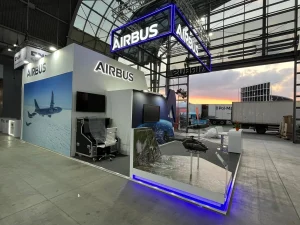
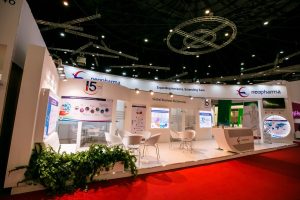
Colors evoke specific emotional responses. For example, blue often conveys trust and professionalism, while red can create a sense of urgency or excitement. Using color strategically can influence visitor emotions and behaviors. High-contrast visuals and focal points draw attention to key areas of the booth, making them more noticeable.
Spatial Layout and Flow
The layout of a booth impacts how visitors move and interact with the space. Open, inviting layouts encourage exploration, while clear pathways guide visitors through a curated experience. Positioning interactive elements and displays strategically ensures visitors engage with key content without feeling overwhelmed.
Lighting and Ambiance
Lighting affects mood and perception. Bright, well-lit spaces can create an energetic atmosphere, while softer lighting can evoke a sense of calm and intimacy. Dynamic lighting effects, such as changing colors or intensities, can attract attention and highlight specific areas or products.
Multisensory Experiences
Engaging multiple senses can create immersive and memorable experiences. Incorporating soundscapes, tactile materials, and even scents can enhance the sensory richness of a booth. These elements reinforce brand identity and provide a holistic experience.
Interactive Elements
Interactive features, such as touchscreens, virtual reality (VR) experiences, or gamified activities, engage visitors and encourage active participation. These interactions should be designed to elicit positive emotional responses, foster curiosity, and provide valuable information.
Future Trends in Neuroscience and Booth Design
Personalization with AI
Advancements in artificial intelligence (AI) enable the creation of personalized experiences. AI can analyze visitor data and preferences to adapt booth content and interactions in real-time, providing tailored experiences that resonate with individual attendees.
Biometric Feedback
Wearable devices and biometric sensors can monitor visitor responses, such as heart rate, eye movements, and facial expressions. This data provides insights into how visitors react to different booth elements, allowing for real-time adjustments to optimize engagement.
Virtual and Augmented Reality
VR and augmented reality (AR) offer immersive experiences that can transport visitors to virtual environments or overlay digital information onto the physical booth. These technologies create engaging and memorable experiences by leveraging the brain’s affinity for novelty and exploration.
Practical Considerations
Understanding the Audience
Tailoring the booth experience to the preferences and behaviors of the target audience is crucial. Different demographics may respond differently to various design elements, so understanding the audience is essential for effective design.
Balancing Innovation and Comfort
While innovative designs and technology can capture attention, it’s important to balance them with comfort and accessibility. Overwhelming visitors with too many stimuli or complex interactions can lead to cognitive overload and detract from the experience.
Ethical Considerations
Using neuroscience to influence behavior raises ethical considerations. Transparency, respect for privacy, and avoiding manipulative tactics are essential to maintaining trust and a positive brand image.
Conclusion
Applying neuroscience principles to trade show booth design offers exciting possibilities for creating engaging, memorable, and effective exhibits. By understanding how the brain processes information and responds to stimuli, exhibitors can design booths that capture attention, evoke emotions, and influence decision-making.
As technology and neuroscience advance, the future of booth design will likely see more sophisticated and personalized experiences, making trade shows an even more dynamic and impactful platform for brands. Embracing these principles can help create meaningful connections with visitors, enhancing the overall effectiveness of trade show participation.