Introduction
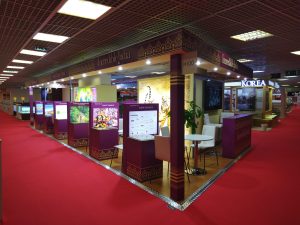
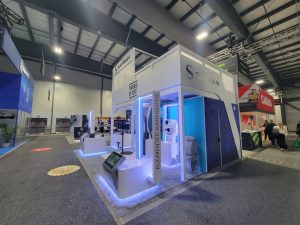
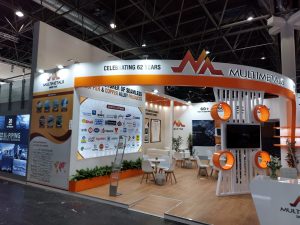
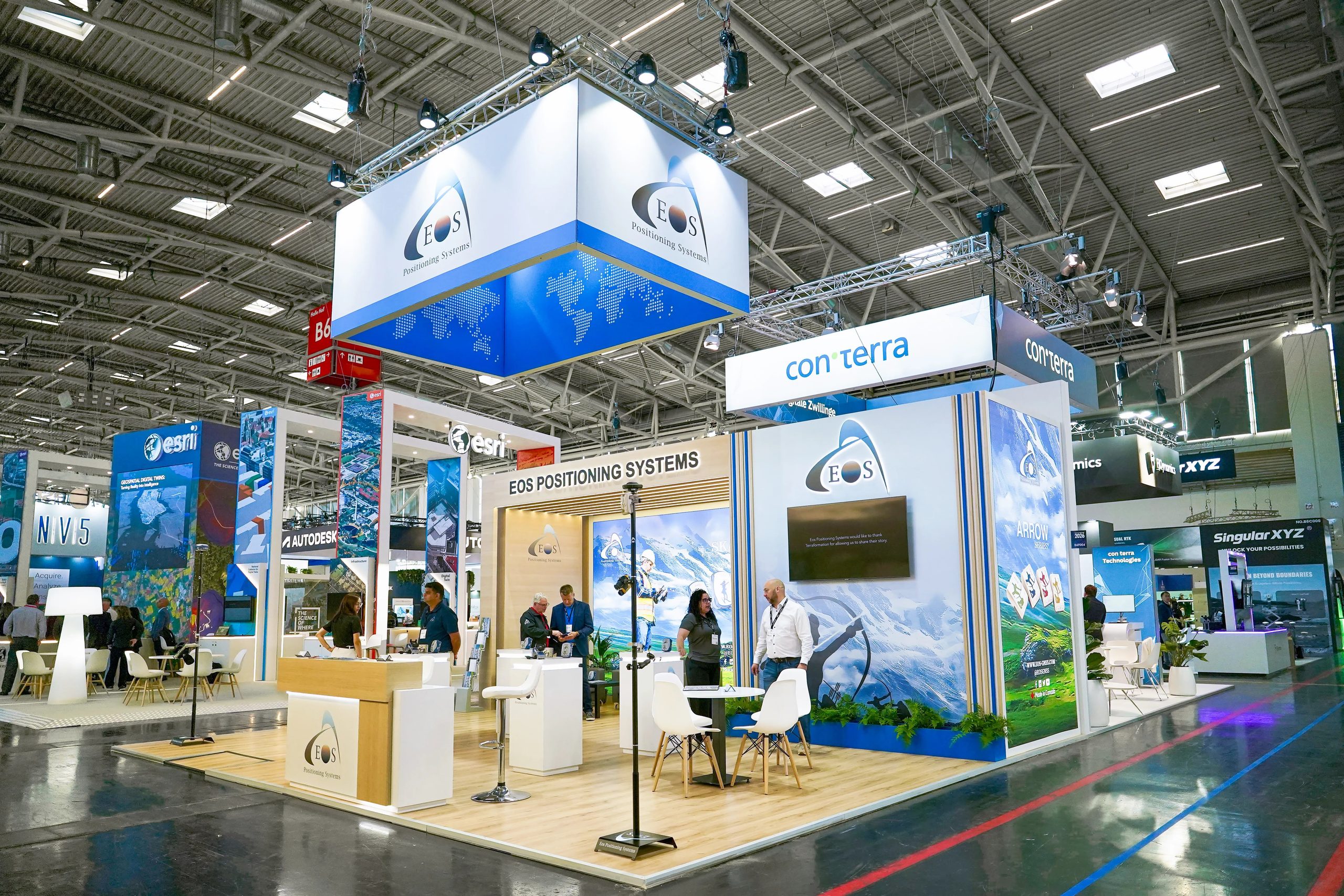
For a growing number of B2B brands, the trade show calendar no longer fits on one continent. A single year might include a flagship show in Germany, a sector event in the US, a regional fair in the Middle East and a launch in Asia. Each one matters. Each one is run slightly differently.
Managing that calendar is one of the hardest jobs in B2B marketing. Done well, it builds a consistent global presence and a steady flow of pipeline. Done badly, it produces a patchwork of stands that don’t look like the same company and budgets that nobody can fully explain.
The problem: global programs are usually run as a series of local projects
Most international exhibition programs grow one show at a time. A regional team adds an event. A local builder is hired. The stand is designed from scratch. Over a few years, the result is:
- Inconsistent branding. Stands in different regions look like different companies.
- Duplicated cost. Design, fabrication and graphics are paid for again and again.
- No visibility. Headquarters can’t easily see total spend or compare results between shows.
- Uneven quality. Some regions get excellent stands and service; others struggle.
- Many suppliers to manage. Each with different contracts, standards and ways of working.
What a well-run global exhibition program looks like
- One brand standard for stands. A shared design language, materials palette and set of components that every show uses.
- A modular system. A kit of parts that can scale from a small regional stand to a large flagship build.
- Central planning, local knowledge. One team owns the calendar and budget, with local expertise for venue rules and logistics.
- Shared metrics. The same measures, such as cost per qualified lead and meetings held, used for every show.
- Smart logistics. Deciding which components travel, which are stored regionally and which are produced locally.
- A single point of accountability. One partner or team responsible for delivery across all markets.
Common pitfalls to avoid
- Shipping everything from one location to every show, regardless of cost or distance.
- Ignoring local rules, which differ widely between venues and countries.
- Designing a system so rigid that it can’t adapt to local audiences.
- Measuring each show differently, which makes comparisons meaningless.
How XS Worldwide runs global exhibition programs
XS Worldwide was built for brands that exhibit internationally. We design stand systems that carry one consistent brand across continents, and scale up or down for each show. One project team plans the whole calendar, while local knowledge of venues and regulations keeps delivery smooth in every market.
We think in systems, not booths. That means fewer duplicated costs, a consistent brand presence and clear reporting on what each show costs and delivers. We have delivered stands for brands such as Gcore at SBC Summit in Lisbon and HABAŞ at IAA Transportation, alongside aerospace, defence and industrial clients. [add XS example: a multi-country program with number of shows or countries]
Running shows in more than one region? Send us your global calendar and we’ll show you how a single stand system and one delivery partner could simplify it.