
 US
US
 EU
EU

Introduction
Trade show exhibits are dynamic events that bring together diverse audiences. However, the bustling environment of these events can be overwhelming for neurodiverse individuals, including those with autism, ADHD, sensory processing disorders, and other neurological differences.
Designing exhibit booths that are inclusive and accommodating for neurodiverse audiences is not only a matter of accessibility but also an opportunity to engage a broader spectrum of visitors. This blog explores strategies and best practices for creating exhibit booths that cater to neurodiverse attendees, ensuring a more inclusive and enriching experience for all.
Understanding Neurodiversity
What is Neurodiversity?
Neurodiversity is the concept that neurological differences are natural variations of the human brain. This includes conditions such as autism spectrum disorder (ASD), attention deficit hyperactivity disorder (ADHD), dyslexia, dyspraxia, and more. Neurodiverse individuals may experience and interact with the world differently, and they often have unique strengths and perspectives.
Challenges Faced by Neurodiverse Individuals at Trade Shows:
Trade shows can present several challenges for neurodiverse attendees:
1. Sensory Overload: Bright lights, loud noises, and crowded spaces can be overwhelming.
2. Difficulty Navigating: Complex layouts and unclear signage can make it hard to navigate the event.
3. Communication Barriers: Traditional communication methods may not be effective for everyone.
Designing Inclusive Exhibit Booths
1. Sensory-Friendly Environments
Minimize Sensory Overload
• Lighting: Use soft, adjustable lighting to reduce glare and harsh shadows. Avoid flashing lights and strobe effects.
• Sound: Minimize background noise by using sound-absorbing materials and creating quiet zones. Avoid loudspeakers and sudden loud noises.
Create Sensory Spaces
• Quiet Zones: Designate a quiet area within or near your booth where visitors can take a break from the sensory overload. This space should be comfortable and free from distractions.
• Sensory Tools: Provide sensory tools such as fidget toys, noise-canceling headphones, and weighted blankets to help visitors self-regulate.
2. Clear and Accessible Navigation
Simple Layouts
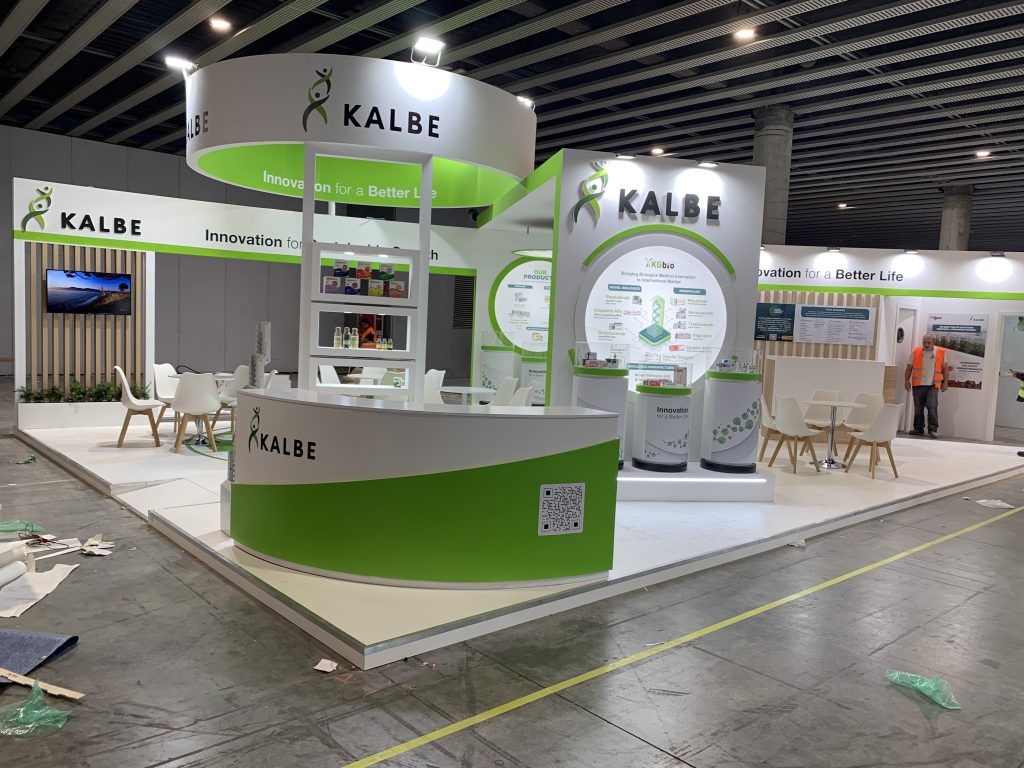
• Open Design: Use an open and uncluttered layout to make it easy for visitors to navigate. Avoid overcrowding the space with too many displays or furniture.
• Clear Pathways: Ensure there are clear and wide pathways that are easy to follow. Avoid abrupt turns and obstacles.
Effective Signage
• Visual Cues: Use clear and simple signage with visual cues to guide visitors. Icons and images can be more effective than text alone.
• Consistency: Maintain consistent signage throughout your booth to help visitors understand the layout and flow.
3. Inclusive Communication
Multiple Communication Methods
• Visual Aids: Use visual aids such as infographics, diagrams, and videos to convey information. Visual communication can be more accessible than verbal explanations for many neurodiverse individuals.
• Written Information: Provide written materials that visitors can take with them. Ensure that the text is clear and easy to read.
Trained Staff
• Awareness Training: Train your staff to understand neurodiversity and how to interact with neurodiverse individuals. They should be patient, understanding, and equipped to offer assistance as needed.
• Non-Verbal Communication: Encourage staff to use non-verbal communication methods, such as gestures and visual aids, to support visitors who may have difficulty with verbal communication.
4. Interactive and Engaging Elements
Hands-On Activities
• Tactile Experiences: Include tactile and hands-on activities that allow visitors to engage with your booth in different ways. Interactive displays and models can be particularly engaging.
• Controlled Interaction: Ensure that interactive elements are user-friendly and do not require complex instructions or overwhelming stimuli.
Personalized Experiences
• Flexible Engagement: Offer different levels of engagement so visitors can choose how they interact with your booth. This could include self-guided tours, one-on-one interactions, and small group activities.
• Respect Boundaries: Respect personal space and boundaries. Allow visitors to engage at their own pace and comfort level.
Future Trends in Inclusive Design
1. Advanced Technology Integration
Virtual Reality (VR) and Augmented Reality (AR)
- VR and AR technologies can create immersive and controlled environments that cater to neurodiverse individuals. These technologies can provide tailored experiences and help visitors engage with your booth in new and exciting ways.
- Smart Booth Design
Smart technology, such as adaptive lighting and sound systems, can create responsive environments that adjust to the needs of visitors. This can enhance comfort and accessibility for neurodiverse attendees.
2. Collaboration with Neurodiverse Individuals
Co-Design Processes
- Involve neurodiverse individuals in the design process to ensure that their needs and preferences are met. Co-design can provide valuable insights and result in more effective and inclusive booth designs.
- Feedback Mechanisms
- Implement feedback mechanisms to gather input from neurodiverse visitors and continuously improve your booth design. This could include surveys, suggestion boxes, and direct feedback during events.
Conclusion
Creating inclusive exhibit booths for neurodiverse audiences is a vital step towards ensuring that all visitors can fully participate in and enjoy trade shows and exhibitions. By incorporating sensory-friendly environments, clear navigation, inclusive communication methods, and engaging interactive elements, you can design a booth that accommodates the diverse needs of neurodiverse individuals.
Embracing these principles not only enhances accessibility but also fosters a welcoming and supportive atmosphere, ultimately enriching the experience for all attendees. As the field of inclusive design continues to evolve, staying informed about new technologies and best practices will help you create innovative and impactful exhibit spaces that cater to everyone.